
- Call Us Today
- (941)505-7845
- Schedule Initial Consultation
Punta Gorda Probate Lawyer
Dedicated Probate Attorney in Punta Gorda, FL
Even With a Will, Florida Probate Often Has to Come First
Florida generally requires a court to confirm who has authority over a deceased person’s estate before the house can be sold, bank accounts can be accessed, or property can pass to beneficiaries, even when planning documents were prepared with an experienced Punta Gorda estate planning attorney.
A will states what the decedent wanted, but for assets titled in the decedent’s name alone, the court still has to approve the transfer. A trusted Punta Gorda probate lawyer can help the family understand what must happen before those assets can be distributed.
The choice of procedure, the handling of creditor claims, and disagreements among beneficiaries each affect how long an estate stays open and what it costs. A procedure that does not fit the estate can slow the case and add legal expense.
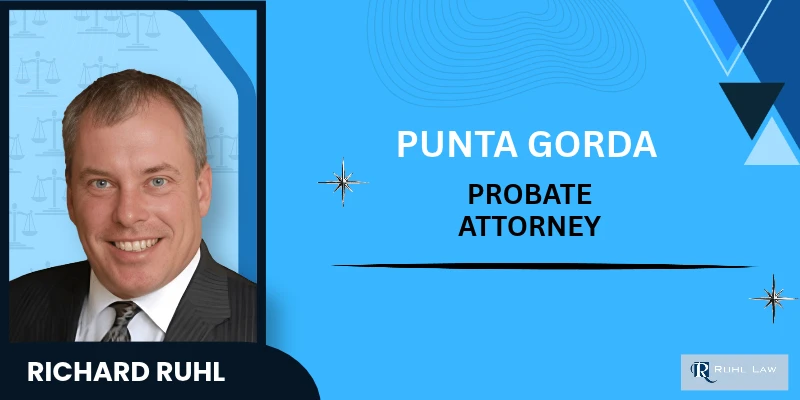
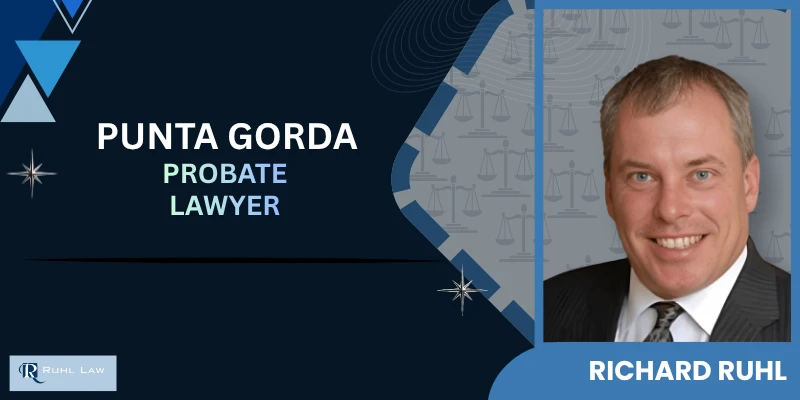
At Ruhl Law, P.A., Richard Ruhl represents personal representatives and families in Florida probate proceedings. Admitted to the Florida Bar in 2002, he has spent more than two decades practicing in Florida courts.
Contact us today to schedule a consultation. We review the estate, explain which procedure applies, and walk through the personal representative’s responsibilities before the first filing is made.
The First Decision Is Determining Which Probate Process Applies
Florida does not require every estate to follow the same administration. The right procedure depends on the value of the property, the date of death, the type of assets, and whether the estate involves disputes or other complications.
Two primary procedures are available.
Summary Administration for Qualifying Estates
Summary administration is a shorter alternative to formal probate. Under the current version of Florida Statutes Section 735.201, an estate may qualify when the assets subject to administration, not counting exempt property, do not exceed $150,000. An estate can also qualify when the decedent has been dead for more than two years. If the decedent left a will, the will also cannot require formal administration.
Summary administration does not involve the continuing court supervision of a formal case. An interested person files a petition, and the court distributes the estate according to Florida law or the terms of the will.
For qualifying estates, this route can shorten the timeline and reduce expense. We evaluate the estate’s value and how particular assets are classified, since those details determine whether the option is available.
Formal Administration for Larger or More Involved Estates
Formal administration is the standard process for estates that do not qualify for summary administration or that call for a more comprehensive court proceeding. The circuit court appoints a personal representative, who identifies and protects assets, gives required notices, addresses creditor claims, and distributes the remaining property.
Formal administration also gives the court a structured way to resolve disputes. When beneficiaries challenge a will, question the personal representative’s conduct, or disagree about distributions, a skilled Punta Gorda estate litigation attorney can help address the contested issues while the court supervises the proceeding.
We help determine which procedure fits the estate and guide the personal representative through each required step.
What the Personal Representative Must Do Before an Estate Can Close
Being named in a will as personal representative does not give someone authority over the estate’s property. In a formal administration, the court must appoint that person and issue Letters of Administration. Once appointed, the personal representative takes on legal duties that include:
- Identifying estate property. Locating bank accounts, real estate, investments, vehicles, and other assets that belong to the probate estate.
- Protecting property. Maintaining insurance, securing real estate, and taking reasonable steps to prevent loss or damage.
- Notifying interested parties. Giving required notices to beneficiaries, heirs, and known creditors.
- Reviewing financial obligations. Evaluating creditor claims and deciding which debts the estate must pay.
- Managing tax matters. Addressing the income tax and any estate tax filing obligations that apply.
- Distributing inheritances. Transferring property to beneficiaries after the estate’s obligations are resolved.
- Accounting for estate activity. Keeping records of financial transactions and reporting the information the court requires.
A mistake in any of these areas can lead to additional court proceedings and, in some situations, personal liability for the representative.
Richard Ruhl advises personal representatives on these obligations so administration problems can be addressed before they turn into disputes.
Creditor Claims Can Keep an Estate Open Longer Than Expected
Debts do not disappear when a loved one dies. Creditors can still pursue valid claims against the estate, and the personal representative has to deal with those claims before the estate can close.
Florida Statutes Section 733.702 sets the deadlines for creditors to file claims. In general, a creditor must file by the later of two dates. One is three months after the first publication of the notice to creditors. The other is 30 days after service of the notice on a creditor who must be served.
A creditor that misses the deadline can lose the right to collect from the estate, subject to statutory exceptions. Because of that cutoff, the publication and service dates determine how long the estate stays open to claims.
The personal representative also reviews each claim rather than paying every bill received. Some debts are disputed, poorly documented, or limited by statute, and Florida law sets an order for paying estate obligations. Distributing assets before creditor issues are resolved can create problems for the representative and the beneficiaries.
We review claims, address creditor notices, and explain how outstanding debts affect what beneficiaries ultimately receive.
Probate Is Not Always Limited to Estates With a Florida Resident
A person does not have to live in Punta Gorda, or in Florida, for Florida probate to become necessary. Real estate in Charlotte County can require a separate Florida proceeding even when the owner lived in another state. That proceeding is called ancillary administration.
For example, a person who lived elsewhere may have owned a vacation home or investment property in Punta Gorda. The main probate case ordinarily takes place where that person lived, and a separate Florida case may be needed to transfer the local real estate. The Florida court handles property within its jurisdiction while coordinating with the primary proceeding in the other state.
Not every asset needs probate. Property held in a properly funded revocable trust, jointly owned assets with survivorship rights, and certain accounts with designated beneficiaries can pass outside the probate estate. A knowledgeable Punta Gorda trust attorney can explain how properly transferred trust assets fit into the broader estate plan.
Sorting these assets early lets families avoid unnecessary filings and identify the property that actually needs court administration.
Local Probate Representation in Charlotte County
The Twentieth Judicial Circuit Court handles probate proceedings for Punta Gorda estates. The Charlotte County Justice Center, located at 350 East Marion Avenue in Punta Gorda, is the local courthouse for these matters.
Richard Ruhl grew up in Charlotte County, began his legal career at the Public Defender’s Office, and joined Ruhl Law, P.A. in 2011. He is familiar with the circuit and the Charlotte County courthouse where these cases are filed.
Richard also practices in English and Spanish, so we can discuss the estate directly with relatives who prefer either language.
Whether you have been named personal representative, need to transfer inherited property, or disagree with other beneficiaries, we can explain the legal steps that apply to your situation.
FAQs About Probate in Punta Gorda, FL
How long does probate take in Punta Gorda?
The timeline depends on the type of administration, creditor claims, tax matters, and whether anyone contests the proceeding. Summary administration usually moves faster because it involves fewer court-supervised steps. Formal administration often takes several months or longer, particularly when disputes or complicated assets are involved.
Can an estate avoid probate if the deceased person had a will?
Not automatically. A will states the decedent’s wishes and can nominate a personal representative, but most assets titled solely in the decedent’s name still go through probate before they can be transferred. Trust property and certain jointly owned or beneficiary-designated assets can pass outside probate.
Who inherits when someone dies without a will in Florida?
Florida’s intestate succession statutes decide who receives the estate. A surviving spouse and descendants often take first, but the shares depend on the family structure. The result can differ, for example, when the decedent had children from another relationship. The court oversees administration and distribution under those statutes.
Can I sell a house while probate is pending?
A personal representative may be able to sell estate real estate, but the authority depends on the will, the court’s orders, and the powers granted during administration. When the will does not give the representative a power of sale, no title passes until the court authorizes or confirms the sale. Before signing a contract or transferring title, the representative should confirm that the necessary authority exists.
What if someone challenges the will?
A beneficiary or other interested person may contest a will on legally recognized grounds, such as undue influence, lack of testamentary capacity, or improper execution. These challenges can require evidence, court hearings, and additional proceedings. An estate dispute can delay distributions while the court decides whether the will is valid.
Do all personal representatives need an attorney?
In a formal administration, Florida law generally requires the personal representative to have an attorney unless the representative is the sole interested person in the estate. Summary administration does not carry the same requirement. Legal guidance can still help a representative apply the rules correctly and avoid procedural mistakes.
Get Clear Direction From a Punta Gorda Probate Lawyer
An estate can involve debts, real estate that needs attention, relatives with different expectations, and court requirements that must be met before the matter closes. A review of the will and the estate’s assets shows which of those issues apply to your family and which need attention first.
Bring the will, a list of the decedent’s property, and any creditor notices to your first meeting, and we can explain what the court will require and what the next filing should be.
Schedule a consultation with Ruhl Law, P.A. to find out which administration procedure fits the estate and how to move it toward closing.
Serving Punta Gorda and Southwest Florida
Ruhl Law, P.A. serves probate clients throughout Punta Gorda, Florida, and surrounding Charlotte County and Southwest Florida communities. The firm assists personal representatives, beneficiaries, heirs, and out-of-state family members with estates connected to the area.
The firm serves families in Punta Gorda, Port Charlotte, Englewood, North Port, Sarasota, Venice, and nearby communities. Probate representation may involve summary administration, formal administration, ancillary administration, creditor claims, inherited real estate, or disputes among beneficiaries.
Ruhl Law, P.A. maintains offices in Port Charlotte and Sarasota. The map below displays the firm’s Port Charlotte office rather than an office physically located in Punta Gorda.
Ruhl Law, P.A. Port Charlotte Office Location
Get In Touch With Us
Fields Marked With An “ * ” Are Required
"*" indicates required fields
Available 24/7 Call (941)505-7845

© 2026 Ruhl Law, P.A. • All Rights Reserved.
Digital Marketing By 
*Images are obtained under license from Canva and other third-party stock image providers, with attribution included where required.